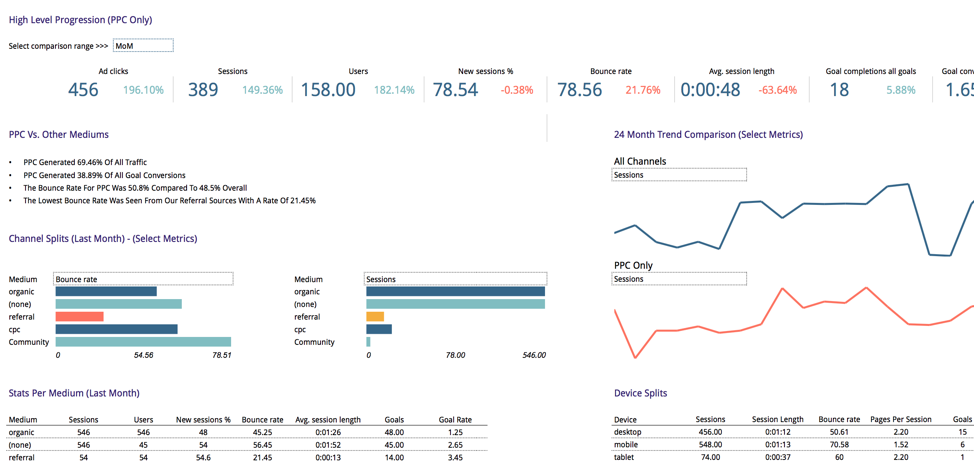
Excel is a powerful tool that supports in-depth analysis and reporting for your digital marketing campaigns. You can leverage the built-in functions of Excel to get more insight from your data. Its rich formatting options allow you to create engaging and beautiful reports easily. In addition, what makes Excel a real beast is the capability to handle large data amounts faster and more efficiently than any other spreadsheet tools.
To bring your marketing reporting game to the next level you can use Supermetrics for Excel, a simple and easy to use marketing data pipeline that lets you:
In this article, I’ll show you how to build reports in Excel with data from the most common marketing platforms.
Why? Because it’s a great web analytics tool which requires minimal effort to set up. You only need to create a Google Analytics account and add a simple tracking code to your site and then you can track where your traffic comes from and what actions people take on your site.
However, using Google Analytics can be problematic for several reasons.
Firstly, you’re missing the complete picture of your PPC performance. Even though Google Analytics lets you know which PPC sources your traffic comes from, there is no detailed data on ad spend and ad performance. You can link Google Ads to Google Analytics to get the missing information. But, you can’t do the same with a non-Google platform, like Facebook Ads or Twitter Ads.
Secondly, seeing the overview performance of your website is quite inconvenient in Google Analytics. You have to jump between the tabs or do multiple CSV exports to spreadsheets in order to combine all the data you need. This whole process is arduous, inconvenient and time consuming. Additionally, the native connector of Google Analytics may not provide in-depth metrics for your reports.
Thirdly, you will face the sampling issue. Since Google Analytics has to process so much data, in order to return the result faster, it will only analyze a sample of the data collected. As a result, you won’t see 100% of the data. This ambiguity may affect the reliability of your data and reports.
However, with Supermetrics for Excel integration, you can avoid all of those problems.
Now, let’s explore different ways to build Google Analytics reports in Excel.
As a PPC marketer, you often invest a great amount of time figuring out how to target the right audience, and which titles, images or CTA can trigger people to click on your ads. The truth is, what happens on your site after the ad click determines an ending to your conversion story.
With post-click analysis, you can:
Such information helps you understand user behavior, improve website performance and see how your PPC campaigns drive traffic.
For instance, if your landing page has a high bounce rate, it may indicate that its content is not relevant to your users and you should dig further to find out which information you could include.
Traffic equals opportunities.
The more visitors you have to your site, the more opportunities you have to add them as new customers. Analyzing the traffic helps you identify:
With such knowledge, you have a better picture of who your target customers are, what they are interested in, what challenges they are trying to solve and whether they find what they need after visiting your site.
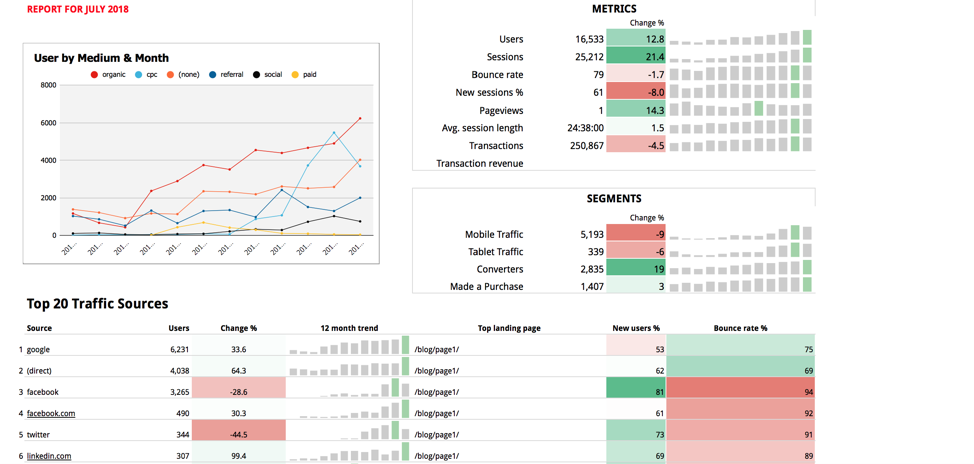
A comprehensive traffic report allows marketers to compare the performance of different traffic sources and identify the mediums which need more investment. You should pay attention to key metrics such as bounce rate, average session length, transactions to optimize your website performance.
A Cohort Analysis is a powerful tool to analyze user behavior in-depth. A cohort is a set of users who share similar characteristics or behaviors. In Google Analytics, a cohort is grouped based on acquisition date, i.e. when users started the first session.
Since cohort analysis studies the user behavior users over time, it provides a more comprehensive picture of your user journey. This information not only helps you evaluate the performance of your past campaigns, but also fuels your future campaigns.
For instance, your campaign offered a sweet deal to urge new trials. What may interest you is whether people acquired from your campaign come back to your website and make purchases. You can also compare different groups of cohort to decide whether it’s a good idea to periodically repeat this kind of campaign. You can measure different metrics such as user retention rates, goal completions or sessions duration, etc.
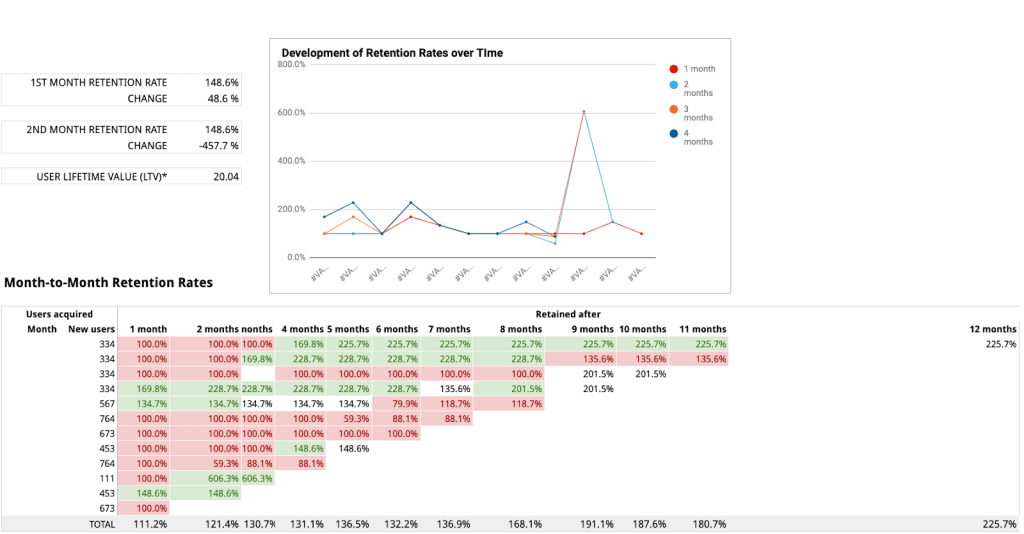
These reports can be created in no time once you have your Google Analytics data ready in Excel. Here is a step by step guide on how to do it:
Your profile is obviously your landing page in the Instagram world, but bear in mind you have a shorter amount of time and words to impress and turn a visitor into a follower. In that case, your description, brand hashtag and call-to-action, altogether, need to create the “love at first sight” moment.
Observing what actions have frequently taken place on your profile helps you develop a roadmap to better approach your audience. Do they click on the link in your bio? You may want to change your CTA to get better results. Do you get lots of calls or emails? Then, it would be good to have someone handling all of these requests.
If you have an impressive number of profile visitors but a small number of followers, you may want to re-polish your profile: does your bio inform people about your core business? Does it reflect your business personality? Is your feed photogenic and appealing enough?
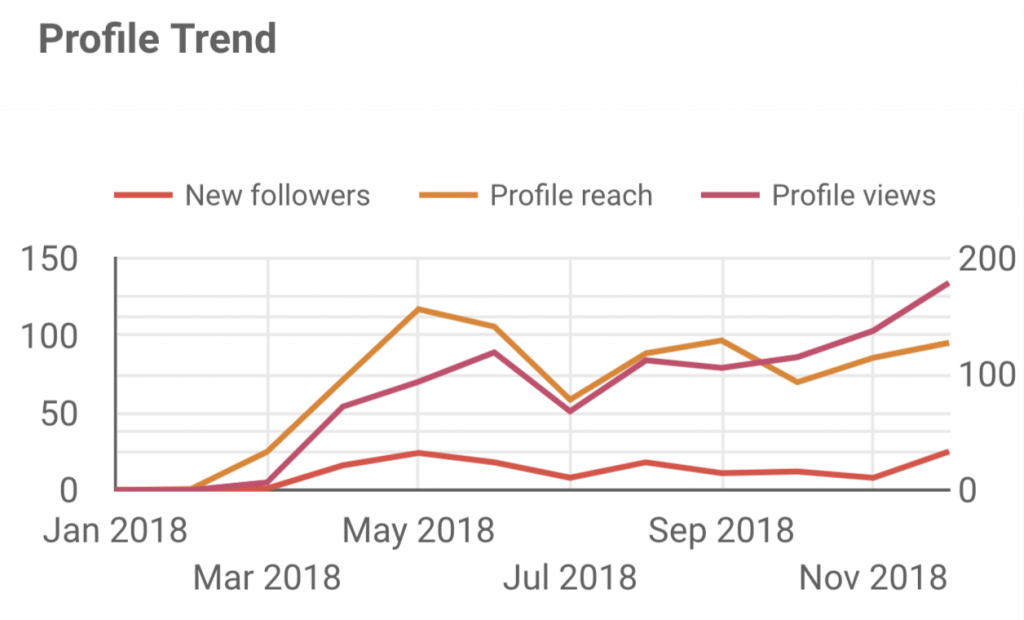
In addition to all of that, by monitoring brand hashtags, you have a better idea how well your Instagram account is doing and what your audience is talking about. Monitoring trends with hashtags also helps you identify potential topics for your content.
Understanding your audience is always the first and foremost step in any marketing strategy. You can easily get this insight from Instagram and leverage it in whichever way that benefits your business.
For example, knowing where most of your followers come from allows you to schedule posts better, based on their time zone. Integrating some of the most discussed topics in their niches also creates more engagement. However, keep in mind that the content should also be relevant to your business.
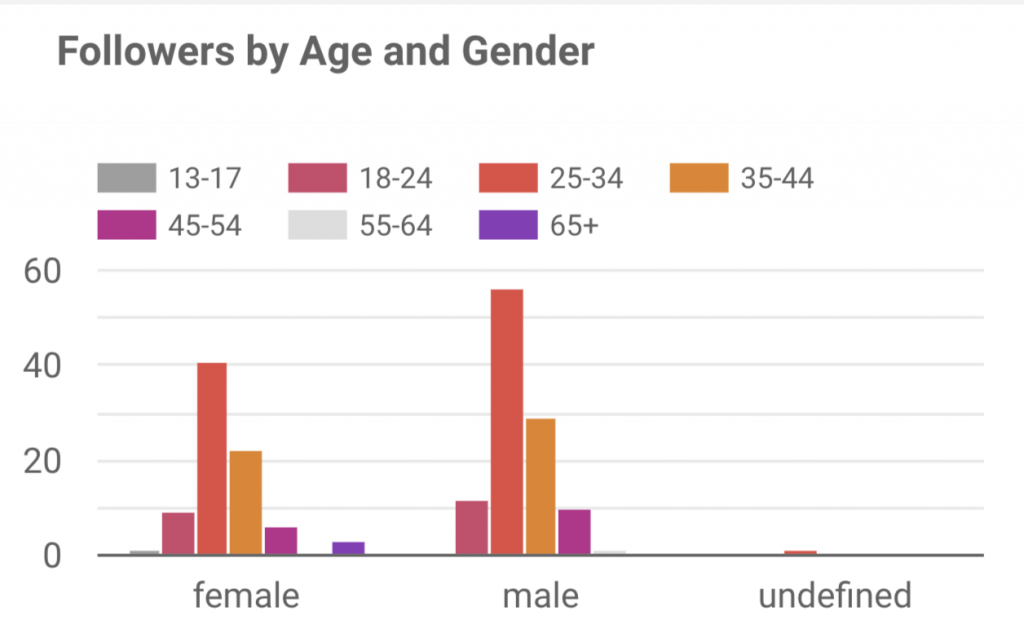
Information such as age and gender also helps you be more accurate in targeting your audience: does your content hit the right audience? Besides, checking when is your followers are the most active is extremely important when it comes to delivering your content at the right time.
Instagram Stories is a feature that allows users to post content such as images and video in slideshow format. Stories will be available within 24 hours on user’s feed. However, you can make your Stories last longer by saving it as highlights.

Stories is the most interactive type of content on Instagram. Grouping Stories/highlights by themes makes your profile more appealing and aesthetic.

However, this ocean of creativity may either drown your Instagram boat or move it forward. Only by monitoring the key stats of your Stories’ performance you know which creative content works best.
For example, an audience who finds the content you share helpful and interesting is likely to tap back to your Stories a lot, or even share it. In this case, you may want to deliver more content on this topic to make sure your audience gets what is meaningful to them. Or perhaps, your boomerang is so entertaining to watch you may want to invest in this format more
You can effectively report this data with Supermetrics’ Instagram Insight connector. Besides Stories performance metrics, you can also create reports with more in-depth data such as demographics and audience engagement over time.
Once you have all your Instagram data fetched in Excel, you have more time to analyze and visualize your data. Check out our tutorial on how to get Instagram Insights data to Excel in a few clicks:
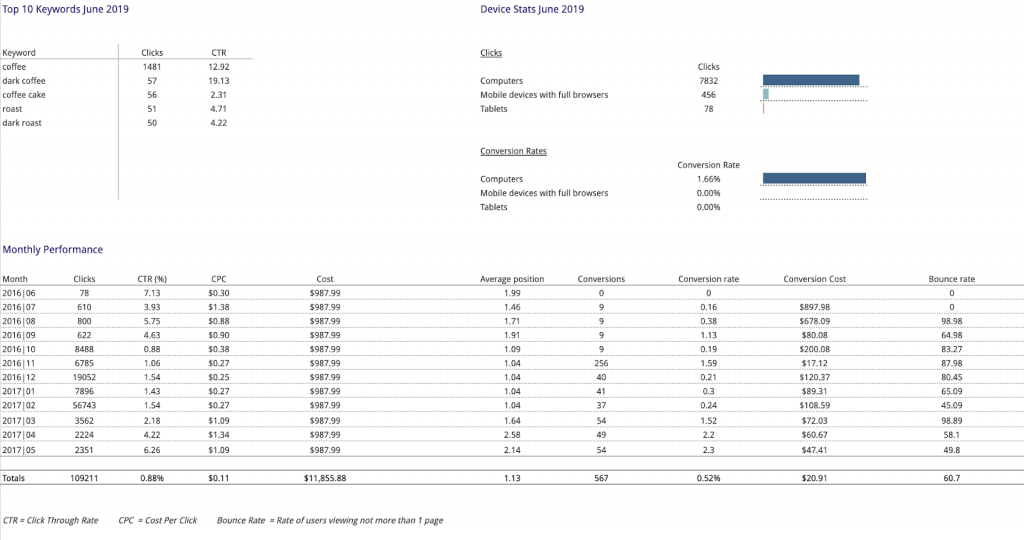
You can create a monthly performance table which includes key PPC metrics such as CTR, CPC, conversion rate, and bounce rate. It’s always a good idea to compare historical performance to keep track of changes. With this month-over-month tracking, you can easily see how your PPC has evolved over time and evaluate whether your effort to improve PPC performance did its job.
You also get an insight into the top-performing keywords that stimulate clicks. This information can also be used to improve your content strategy.
As an agency, you run multiple PPC campaigns for different clients, and your job is to deliver high ROI PPC campaigns within a budget. Imagine it’s the end of the campaign and you’re underspending. Your client may doubt whether you have maximized the PPC capacity. On the other hand, the overspending can also make your heart skip a beat.
The only way to avoid those unwanted scenarios is to set up a client budget tracker and alert. You want to start your campaign knowing that you’re in control of everything, especially the budget.
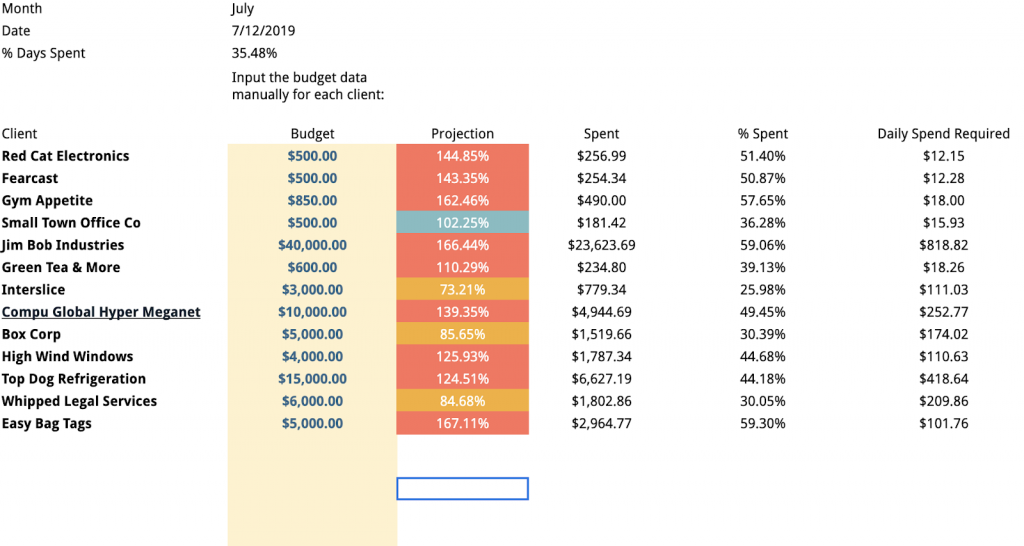
A budget tracker and alert helps you keep up with the budget, projections and the actual spend. Since it’s easy to set up an automatic refresh with the Supermetrics trigger, you can effortlessly observe how much you spent and adjust efficiently for the rest of the campaign.
These reports can be done easily with the help of Supermetrics integrations and Excel. Check out our tutorial on “How to pull Google Ads data to Excel” and start optimizing your marketing reporting.
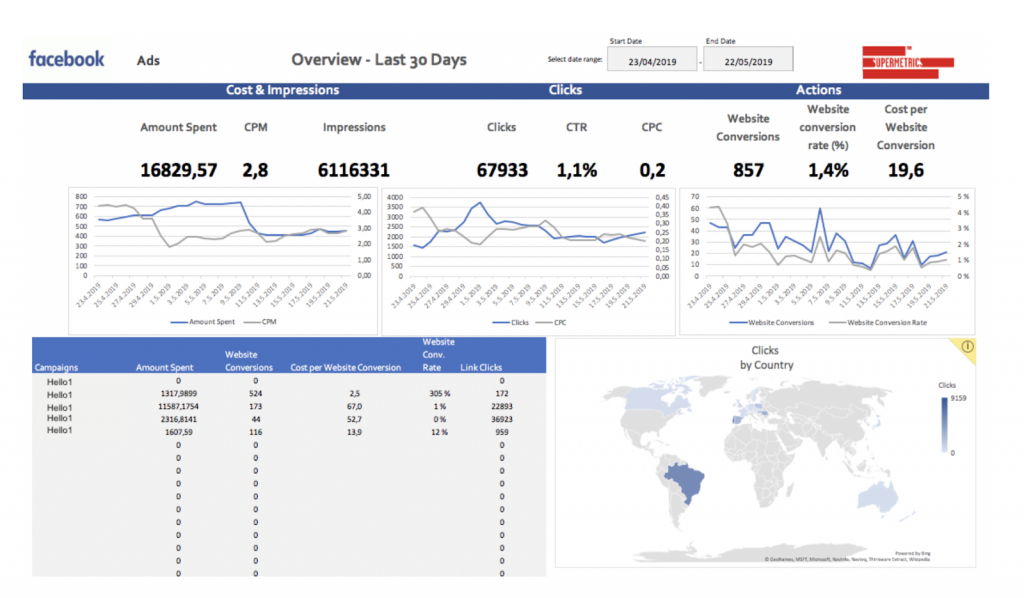
If Facebook is the king of social networks then Google is the king of search engines. Google Ads and Facebook Ads are two gorillas in the PPC world. There is no “either – or” rule when it comes to deciding on which platform you want to run ads. Marketers are free to use both.
Is Facebook better for a high-level targeting? Does Google drive more traffic to your website? From which platform people tend to convert faster? All of these questions can be easily answered by Google Ads vs Facebook Ads comparison report.
Using Supermetrics for Excel, you can easily pull data from Facebook Ads and Google Ads into the spreadsheet and visualize it in whichever way you want.
Since you’ve got data from both platforms in a matter of a few clicks, it shouldn’t be a problem to compare how well they are doing in general. You don’t need to jump from one platform to another to look for the metrics you want, therefore, you have more time to analyze data.
Check out how to pull Facebook Ads data to Excel:
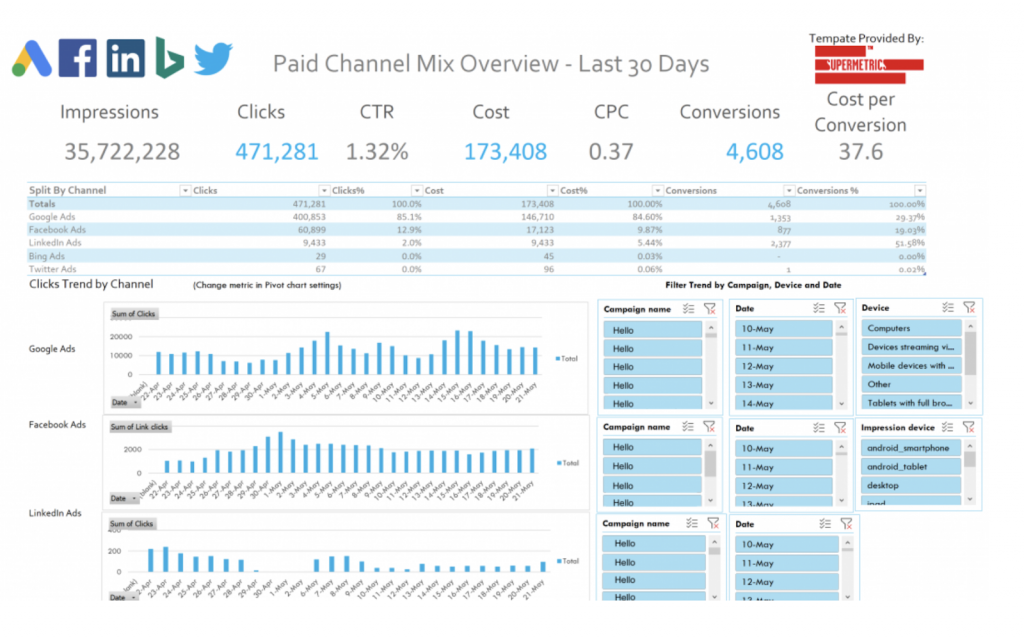
In this example, we combined ads data from Google, Facebook, LinkedIn, Bing and Twitter. You can see the total impressions, clicks, CTR, cost, CPC, conversions and cost per conversion for the last 30 days across all channels. It’s a good way to compare your total ad spending and measure your campaign performances on every channel.
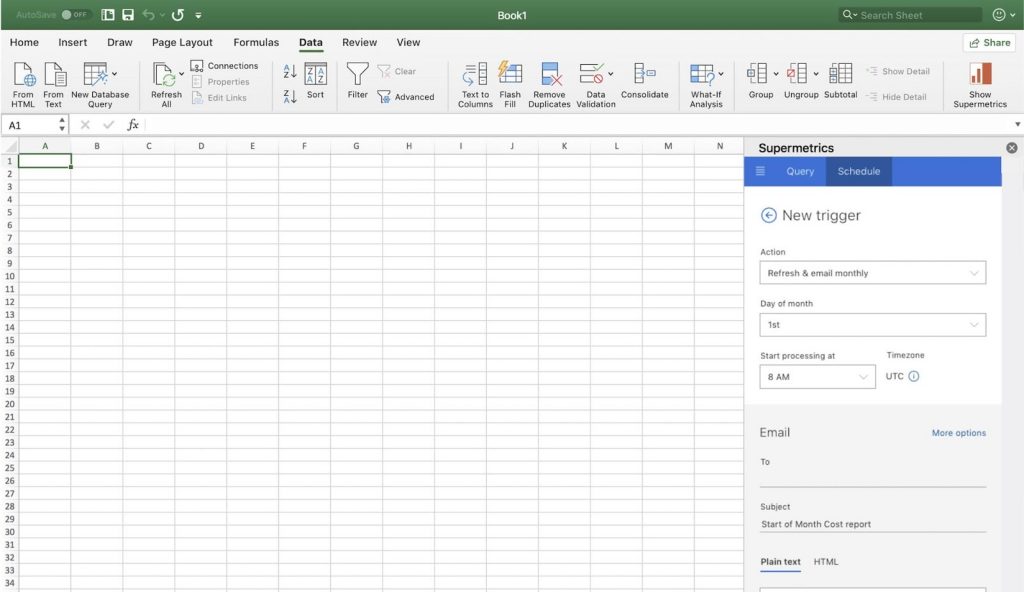
Supermetrics for Excel helps you automate the entire reporting process effortlessly. After creating your report, you can easily schedule refresh and emailing.
This feature allows you to keep your data up-to-date. You can also send the report to your managers and clients.
In this article, we discussed how to build marketing reports in Excel with data from:
The Supermetrics add-in has turned Excel into a powerful reporting weapon. From combining data from different marketing sources and creating visually attractive reports to automating the entire reporting process, you can step up your reporting game with Supermetrics for Excel.
Start your free 14-day of Supermetrics for Excel today.
Be the first to hear about product updates and marketing data tips
